

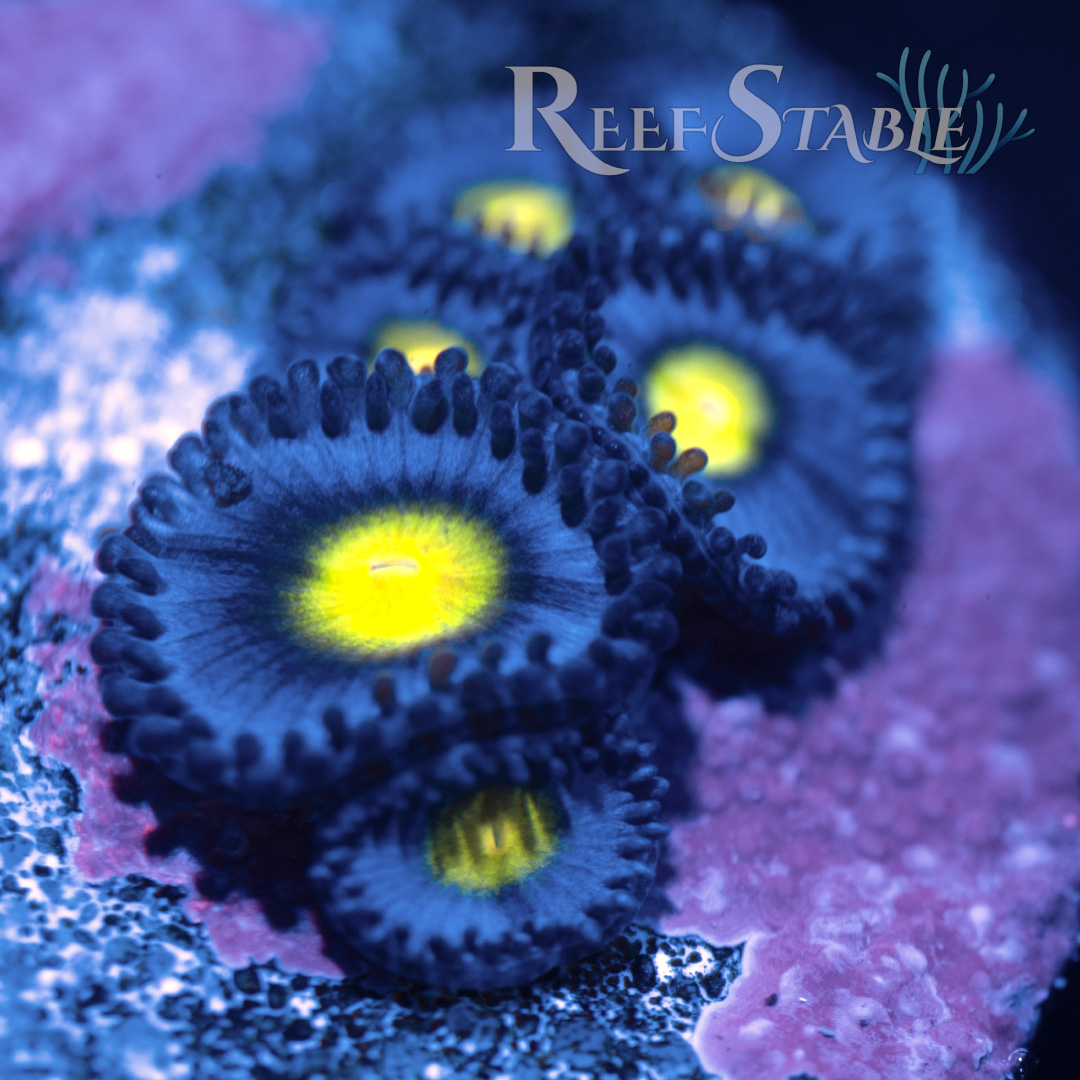


AOI Zoa
(2+ Polyps)
$4999
ONLY 2 LEFT!
AOI Zoa Details
Are you ready for one of the OG collector corals? If so, while no longer as rare as it used to be, the AOI zoa is still a high-end and beautiful coral for your zoa garden!
This zoanthid coral will include at least 2 polyps.
AOI Zoa Care
Zoanthids, also known as zoanthus, and more commonly zoas, are one of the most popular coral for the home reef. Zoas come in a nearly infinte number of color variations and dificulty levels. Zoa care generally very easy compared to other corals, making zoas a great beginner coral as well as a more-stable collector coral. Keep in mind though, some high end zoas are "known melters". This means that small problems can cause them to die for seemingly no reason. Typically the highest dificulty of zoa comes with an equally high price tag.
What are the lighting requirements for AOI Zoa?
AOI Zoa are typically known as a "Low Light" coral. From personal experience in farming zoas, I would call zoas Low to Medium light. My best growth and success comes between 50 and 100 PAR, with 75 PAR as the average.
Lighting Categories
| Category | PAR |
| Low Light | 0 - 75 |
| Average / Medium Light | 75 - 125 |
| High Light | 125 - 250 |
| Very High Light | 250 - 400 |
| Extreme Light | 400+ |
What are AOI Zoa flow requirements?
Flow is rather difficult to measure and is more of a described value rather than measured. AOI Zoa need enough flow to keep detritus off of them, but low enough that the polyps aren't blown around to the point of closing or folding. Indirect flow over the zoa that causes some movement is ideal. Avoid direct flow, do not point pumps directly at AOI Zoa.
Where should AOI Zoa be placed in the aquarium?
Based on the lower light and flow requirements, AOI Zoa are typically placed in the middle to bottom of mixed reef tanks. Though in a soft coral reef tank, where lighting and flow is lower across the tank, this is not a requirement.
What are AOI Zoa feeding requirements?
AOI Zoa will eat smaller foods on occasion, though it is not needed. There is typically not a lot of benefit to feeding them though, as the lighting should provide more than enough energy for AOI Zoa to thrive. If you feel the need to feed your AOI Zoa, some amino acids and the fines from frozen fish foods is more than enough.
What are the AOI Zoa dosing requirements?
AOI Zoa do not have calcium skeletons, so there is no alkalinity or calcium dosing required. Stability within the 8 - 10 dKh range is ideal to keep stress low.
What are the temperature requirements for AOI Zoa?
AOI Zoa prefer average reef tank temperatures between 76 and 80 degrees Fahrenheit, with 78 degrees being the average.
Palytoxin Warning
Zoanthids and Palys can excreet one of the most deadly toxins known, called palytoxin. The worst part, there is no known cure for it. Because of this, you should handle these coral with extreme care!
Not all zoas have palytoxin, but nobody knows which ones do. So they should all be treated as if they have the toxin.
Typically zoas only excrete toxin when stressed, such as cutting, when squeezed/squished, large temperature swuings, etc. When keeping zoas and palythoa, keep caution in mind. Always wearing gloves, eye protection, not hanlding them with open wounds, always handling them underwater so the toxin is dilluted, and running carbon are good rules to follow.
If you feel like you may be experiencing effects of palytoxin, seek medical attention promptly.
As with many other corals and fish, it is VERY important to do research on propper zoanthid care and prevent potential illness.
Social Media